A Good Year for the Rose
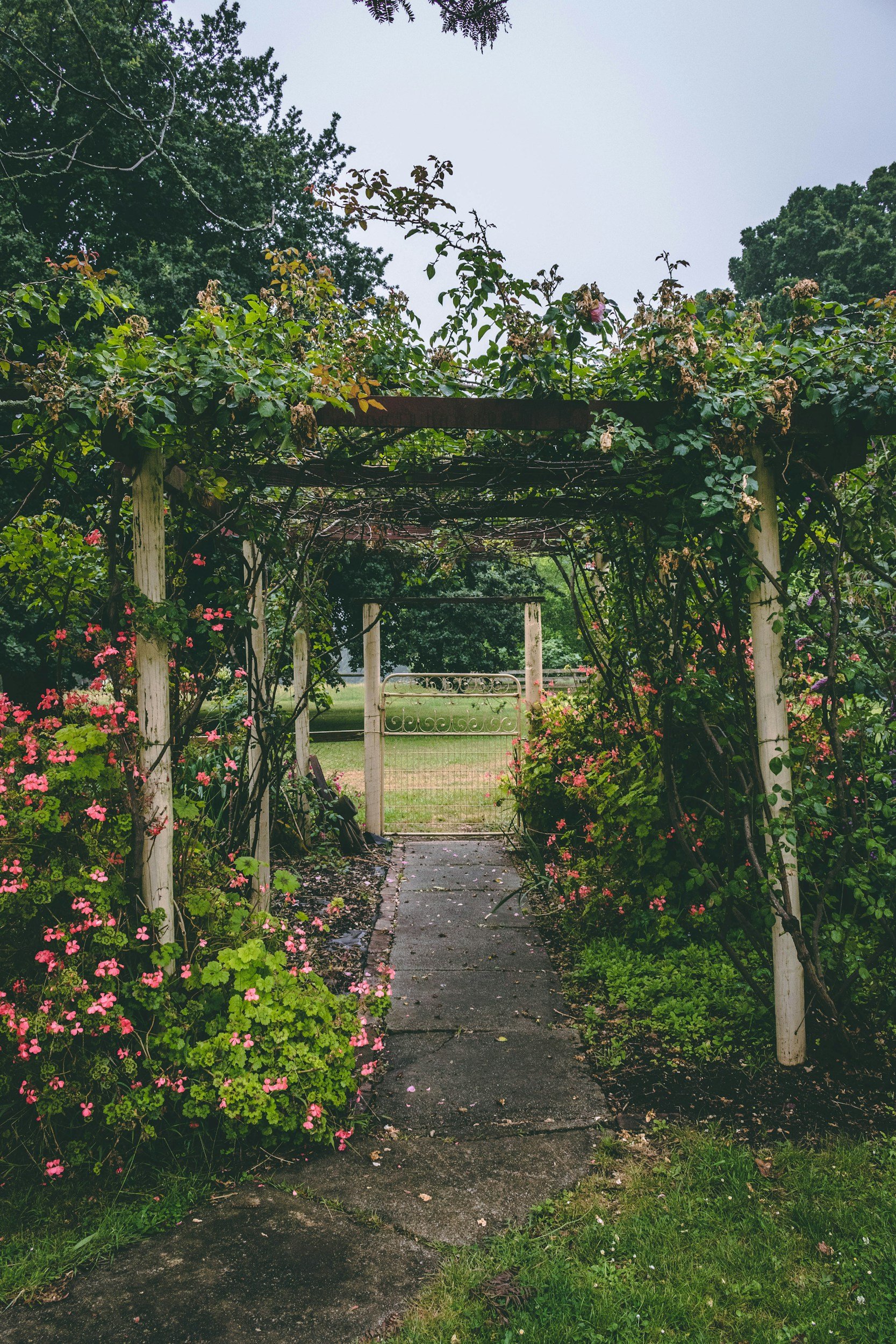
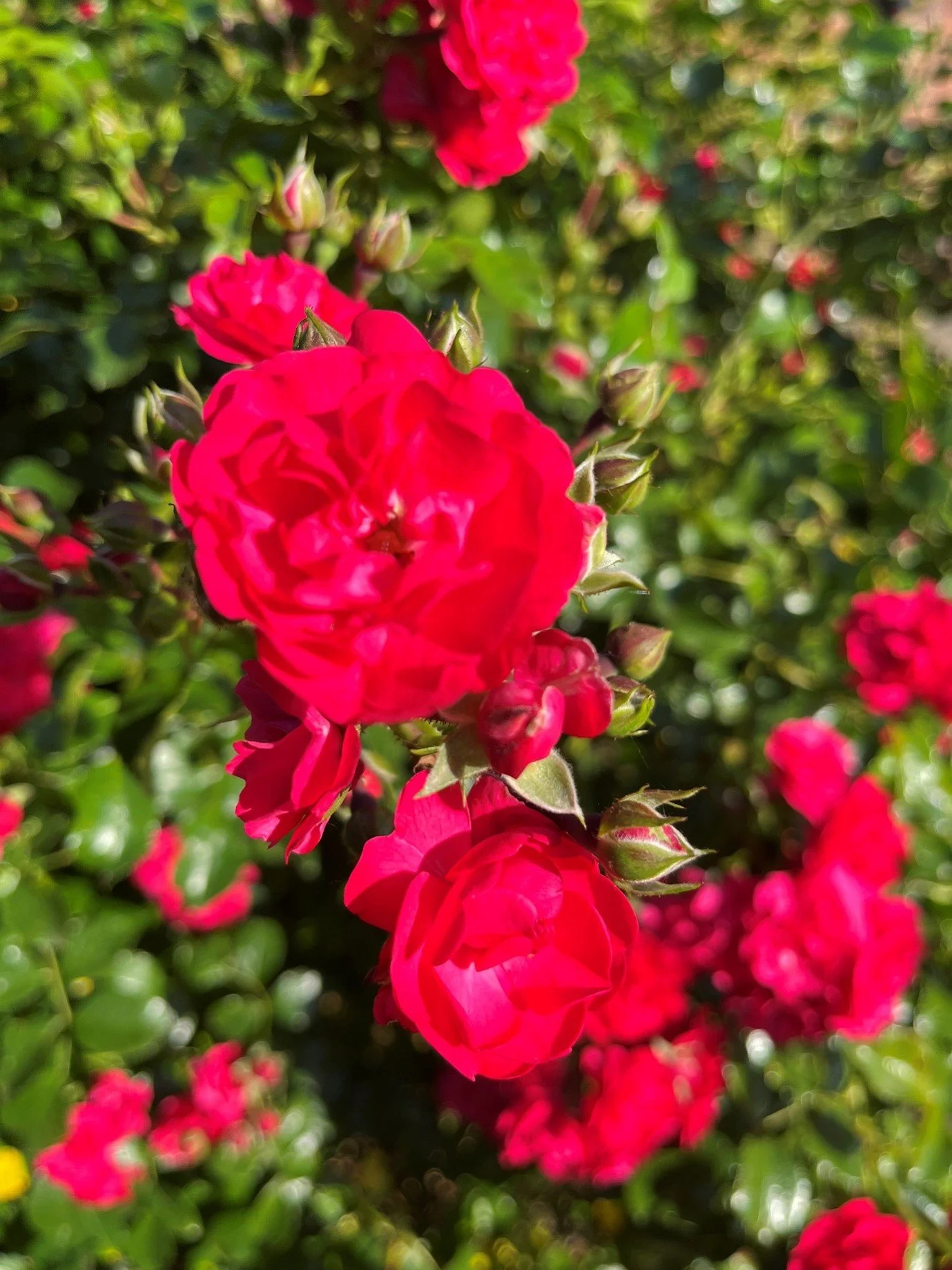
You just have to look around the gardens of London and beyond to see that this year is a particularly good year for roses. They are all blooming fantastically. There are an amazing range of types of rose, including Bush, Shrub, Old English, New English, Ground Cover, Climbing, Rambling and Hedging roses to name but a few.
There are hundreds of species and thousands of cultivars. Most species are native to Asia, with smaller numbers native to Europe, North America and Northwest Africa.
Roses are possibly one of the oldest flowers with fossils dating back more than 30 million years. The oldest living rose is 1,000 years old, on a wall of the Cathedral of Hildesheim in Germany. The tallest rose bush is 5 ½ metres high. Nearly 19 ft in old money.
The most expensive rose was developed by David Austin and cost £3 million to cultivate.
All roses are edible, and before you go getting the barbeque out, the petals are used for their flavour and the rose hips (seed pods) are full of vitamin C. Rosa canina (dog rose) and Rosa rugosa are apparently the best tasting.
Some roses can be covered in thorns, or prickles, to give them their proper name. the purpose of the prickles is to stop animals, such as deer eating them. Their other use, where climbers and ramblers are concerned, is to hook onto other stems and branches, to help the plant scramble upwards.
There are some cultivars of bush rose that are quite vicious and can cause very painful damage to anyone brushing past them. One in particular that I personally had an experience with is Rosa ‘Fellowship’. I was pruning a large bed of them, and without going in to graphic detail, all I will say is always wash any bad scratch or puncture wound, as they can cause quite bad infections!
At the other side of that, some cultivars can be prickless (is that a word?) or almost prickles, like the classic ‘Zephirine Droughin’ climber and the fantastic Rosa Banksiae.
One of my favourite rose to work with is Rosa ‘Iceberg’. It has a few prickles, however, you can walk through a bed of them, in order to prune them, without any fear of getting caught up in them.
It is said that you cannot plant a rose where another rose has been previously growing, without the risk of ‘rose sickness’.
My tip is to dig the hole for the rose (bare-rooted or potted) and line the hole with cardboard, fill the hole with fresh soil, and plant your rose. By the time the cardboard has rotted away, your new rose will be established with no risk of rose sickness.
Roses are by far the most popular flower in the world for their fantastic range of colours and, of course, their fragrance. You know it makes scents.
Alan Harvey